The river looks different in the early morning than it does during the busy hours of a Rishikesh sightseeing trip. The roads may have less traffic, the riverfront may be quieter, and the sandy stretches along the Ganga offer a chance to slow down before the day’s activities begin. For travellers who enjoy walking, taking photographs or simply watching a river move through the hills, an early visit can be a welcome change from rafting schedules and crowded tourist spots.
However, finding a suitable river beach near Rishikesh is not as simple as choosing a pin on a map. The word beach can mean a sandy riverbank, a rocky shoreline or a section of sand used by rafting groups. Some areas are associated with private camps, while others may have limited pedestrian access. River levels can also change the shape of a bank, sometimes leaving less room to walk than expected.
This guide focuses on the riverside areas worth considering for a peaceful morning, what each location offers, how to plan your visit and what to check before travelling. The aim is to help you choose a suitable place without assuming that every stretch of sand is open, quiet or safe to approach.
What Makes a Good River Beach for a Morning Walk?
A good place for a morning walk does not necessarily have to be the most remote spot along the Ganga. For many visitors, a suitable location is one that has a clear access route, enough room to walk without disturbing other people and a safe place to enjoy the view from a distance.
A sandy riverbank can be pleasant for a short walk, but sand is not always firm enough for comfortable walking. Loose stones, uneven ground and wet patches may make some stretches difficult to cross. A location that looks wide from the road may narrow near the water, especially when the river level rises.
It is also worth distinguishing between a public riverfront and a beach associated with a rafting operator or riverside camp. A location visible from a road is not automatically open to visitors. Before setting out, confirm where you can enter, whether permission is required and whether the area is being used for an organised activity.
For this reason, the locations below are best understood as riverside areas to investigate rather than a guarantee that every bank will be accessible on the day of your visit.
1. Shivpuri: The Main Area to Consider for Sandy Riverbanks
Shivpuri is one of the most recognisable riverside destinations near Rishikesh. Uttarakhand Tourism places it approximately 19 kilometres from Rishikesh and identifies white-water rafting as a major reason people visit. The tourism board also describes sandy riverbanks along this stretch of the Ganga.
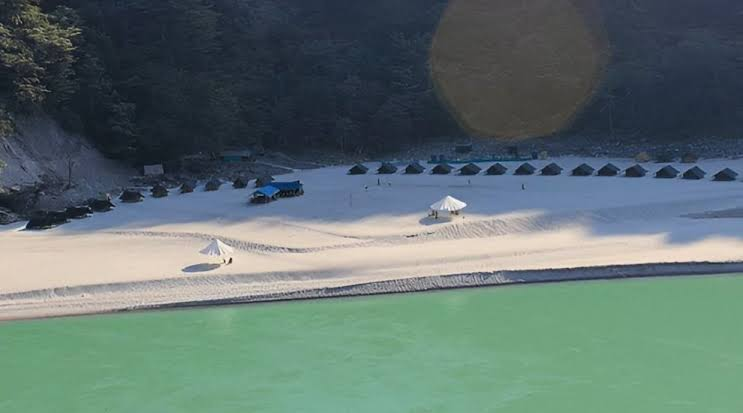
For someone looking for a morning beside the river, Shivpuri is a useful starting point because its riverside landscape is part of an established tourist area. You can plan an outing around the river views instead of making the entire trip about an adventure activity.
The scenery changes along the route. In some places, the Ganga runs close to rocky slopes; elsewhere, exposed sand or stones may be visible beside the water. The exact appearance depends on the river level and the particular access point you choose.
What to do during a morning visit
Begin by finding a permitted riverside access point. Once there, take a short walk over the firmest available ground and stop at a safe distance from the water. There is no need to cover a long distance to enjoy the setting.
Shivpuri is also a rafting destination, so the quietest time at one access point may not be the quietest time at another. If an operator is preparing equipment or moving groups towards the river, do not walk through that area in search of a better view. Choose another permitted section or return later.
The area may suit visitors who want a combination of river scenery and mountain views, but it should not be described as completely secluded. Its popularity means that other visitors and organised activities may be present, including in the morning.
Who should consider Shivpuri? Travellers staying in Rishikesh who are willing to travel outside the town centre and check the exact riverside access before leaving.
Practical point: Ask your accommodation or a reliable local operator about the current condition of the approach and whether visitors can access the particular bank independently. Do not assume that access to a rafting launch point also means access for a leisurely walk.
2. Marine Drive: A Scenic Riverside Route Rather Than a Guaranteed Beach
The Marine Drive area is another name travellers may encounter when researching the Ganga upstream from Rishikesh. The name is also used for a rafting stretch, so it is important to understand the context before planning a visit.
The road through this part of the river valley offers changing views of the Ganga and the surrounding hills. Depending on the location and water level, the shoreline may include rocks, narrow banks or exposed patches of sand. However, a scenic roadside view does not guarantee that a suitable walking beach is available nearby.
For this reason, Marine Drive is better approached as a scenic outing with a possible riverside stop, rather than a destination where you can expect to find a public sandy beach at a particular point.
How to plan the stop
Check the exact location before travelling and establish whether there is a legal, safe route from the road to the river. Avoid stopping on a narrow highway shoulder simply because the water looks close. Traffic, bends and limited space can make roadside walking unsafe.
If a suitable public access point is confirmed, keep the walk within that area. Rocky ground can be uneven, and wet stones near the water may be slippery. A longer walk is not necessarily better if the terrain becomes difficult.
Marine Drive is worth considering if you enjoy looking at the river valley from the road and are happy to keep the outing flexible. If your main requirement is a broad sandy area where you can walk continuously, confirm that feature before choosing this route.
Who should consider Marine Drive? Travellers with transport who enjoy a scenic drive and want to explore the river landscape beyond central Rishikesh.
Practical point: Do not rely on photographs alone to judge access. A picture may show a riverbank from a rafting trip or private property that is not available for independent visits.
3. Brahmpuri: Check the Riverside Access Before You Go
Brahmpuri is associated with rafting on the Ganga near Rishikesh. It is useful to know the name when comparing different riverside areas, but a rafting location and a public walking beach are not the same thing.
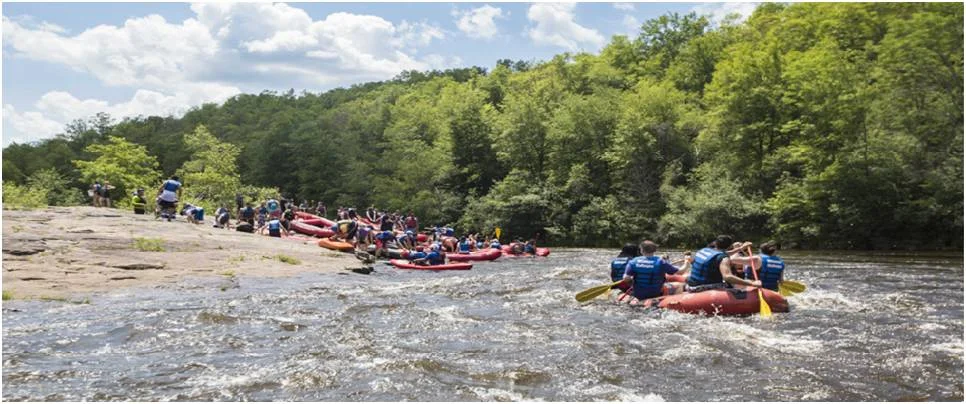
A riverbank used for organised water activities may have equipment, groups arriving at particular times or sections that need to remain clear for safety. Even if sand is visible nearby, it may not be appropriate to enter that area without permission.
If you are considering Brahmpuri for a morning walk, first identify a specific access point rather than travelling there with the expectation that the entire stretch will be open to visitors.
What to look for
A suitable walking area should have a clear entrance, stable ground and enough room to stay away from the river’s edge. If the approach involves crossing loose rocks, entering a camp or walking through an active rafting area, it may not be the right choice for a relaxed outing.
Ask locally whether there is a permitted place to visit independently. If the answer is unclear, choose a better-established public riverfront instead of searching for an alternative path along the water.
Brahmpuri can form part of your research into the river areas around Rishikesh, but the precise location matters more than the name itself.
Who should consider Brahmpuri? Visitors who are already exploring the upstream river areas and can confirm a suitable walking location before travelling.
Practical point: Do not treat an online map marker for rafting as proof that a beach is publicly accessible.
4. Triveni Ghat: A Practical Alternative When You Do Not Need Sand
Not every peaceful riverside walk needs to take place on a sandy beach. Triveni Ghat, in central Rishikesh, offers an established riverfront where visitors can spend time beside the Ganga without planning a separate drive upstream.
The ghat is an important religious site, and people visit it for bathing, prayer and the evening Ganga Aarti. It has a different character from the sandy banks associated with rafting areas, so it is best considered an alternative rather than a river beach.
For a traveller staying in town, that distinction can make planning easier. You can walk along the accessible public areas, observe the river and continue with the rest of your morning without arranging transport to a more distant location.
How to enjoy the riverfront respectfully
Keep to the areas intended for visitors and avoid blocking people who are carrying out religious activities. If people are praying or bathing, give them space and follow local signs about access and photography.
Triveni Ghat may not offer the open sandy setting you have in mind, but it is a practical choice if your main goal is a short riverside walk. It is also a useful backup when weather, transport or river conditions make a more remote shoreline unsuitable.
Who should consider Triveni Ghat? Visitors staying in central Rishikesh, travellers without a vehicle and anyone who prefers an established riverfront to an uncertain route down to the water.
Practical point: Check the current local conditions and any restrictions before your visit. Do not assume that every section beside the river is intended for walking.
Which Location Should You Choose?
The right choice depends on what you mean by a peaceful morning walk. If you specifically want sand beneath your feet, you will need to confirm the access point and the condition of the riverbank. If you mainly want to see the Ganga without travelling far, a public riverfront may be more convenient.
| Location | What it offers | What to confirm |
|---|---|---|
| Shivpuri | A recognised riverside area with sandy banks in the wider stretch | Public access, current bank conditions and rafting activity |
| Marine Drive area | Views of the river valley along the upstream route | A safe stopping point and a permitted walking entrance |
| Brahmpuri | A river area associated with rafting | Whether a suitable independent walking area is accessible |
| Triveni Ghat | An established riverfront in central Rishikesh | Visitor access, local customs and any restrictions |
These locations are not interchangeable. Shivpuri is the clearest starting point if sandy riverbanks are your priority, based on the information published by Uttarakhand Tourism. Triveni Ghat is the more practical alternative for a short walk in town. Marine Drive and Brahmpuri require more care when selecting the exact spot.
The Best Time for a Morning Walk
The time of year can change both the comfort of the walk and the appearance of the riverbank. A place that was easy to reach during one visit may have a different shoreline after rainfall or a change in water level.
October and November
Autumn can be a convenient period for exploring Rishikesh and its surrounding river areas. Even so, do not assume that every sandy stretch is stable or accessible. Check recent weather, the river conditions and any local instructions before leaving.
An early start can help you complete a short walk before your day becomes busy. Carry a light layer if the morning feels cool, and allow enough time to travel rather than rushing to reach the river.
December to February
Winter mornings can be cold, particularly near the river. Wear comfortable shoes with good grip and carry a jacket that you can remove later if the day warms up.
If the ground is damp or visibility is poor, avoid unfamiliar paths down a slope. A shorter walk on a maintained surface is a better choice than attempting to reach a particular patch of sand.
March to June
As temperatures rise, an early start becomes more comfortable than a walk later in the day. This period can also coincide with visitor activity around popular river destinations, so do not assume that an early visit will guarantee an empty shoreline.
Bring drinking water, protect yourself from the sun and check whether the chosen access point is being used for organised activities.
July to September
The monsoon calls for particular caution around rivers. Rainfall can raise water levels, strengthen currents, make rocks slippery and alter the amount of exposed sand. A bank that looks wide in an older photograph may be much narrower when you arrive.
Avoid exposed riverbanks when rain or rising water makes conditions uncertain. Follow local advisories and choose a maintained area away from the water if necessary. If there is an official warning or local authorities have restricted access, do not attempt to reach the beach.
How to Plan the Visit Without Wasting Time
A little preparation can save you from reaching a place only to discover that the entrance is closed or the riverbank is unsuitable.
First, choose the type of experience you want. Decide whether sand is essential or whether a riverside ghat will meet your needs. This helps you avoid travelling farther than necessary.
Second, confirm the precise entrance. Ask your accommodation or a reliable local contact where visitors can legally enter. A broad destination name is not enough to identify a suitable walking route.
Third, check the weather and river conditions. Recent rainfall, warnings and changes in the water level matter more than a photograph taken months earlier.
Fourth, plan your transport. If you are travelling upstream, confirm how you will reach the location and return to Rishikesh. Do not assume that a vehicle will be readily available at every roadside stop.
Fifth, keep your schedule flexible. You may find that the chosen area is busy, restricted or unsuitable on the day. Having Triveni Ghat or another established public riverfront as an alternative can prevent a wasted outing.
What to Carry for a Comfortable Walk
You do not need much equipment for a short morning visit, but a few practical items can make the experience easier.
- Comfortable footwear: Choose shoes with good grip for sand, stones and uneven surfaces.
- Drinking water: Carry enough for your planned outing, particularly in warmer weather.
- A light jacket: Useful on cool mornings and during winter.
- A phone with a charged battery: Keep your route and accommodation details accessible.
- A small bag for rubbish: Take all packaging and waste back with you.
- Sun protection: Consider a cap and sunscreen when the sun is stronger.
Avoid carrying unnecessary items that you would have to leave unattended. If you plan to take photographs, keep your equipment away from wet rocks and unstable edges.
Safety Rules Near the Ganga
A riverbank is a natural environment, not a controlled swimming beach. The Ganga can carry a strong current even when the surface appears calm, and the depth may change unexpectedly. Rocks and other objects can be hidden beneath the water.
Stay well back from the edge and never enter the river simply because another person is standing in the shallows. Do not attempt to swim, wade or cross at an unfamiliar location. During heavy rain or rising water, leave exposed banks and follow local instructions.
Keep children close to an adult and do not allow them to run towards the water. Stay away from rafting launch and landing points, where groups and equipment need room to operate.
If the approach to a beach involves slippery rocks, steep ground or an unmarked path, turn back. The view is not worth risking a fall. Also avoid littering, lighting fires or disturbing wildlife and vegetation along the river.
Frequently Asked Questions
Which river beach near Rishikesh should I research first?
Start with Shivpuri if you specifically want to investigate sandy riverbanks. Uttarakhand Tourism identifies it as a destination about 19 kilometres from Rishikesh and mentions its sandy river scenery. Confirm the precise public access point before travelling.
Are the river beaches near Rishikesh open to everyone?
Access varies by location. Some banks may be reached from public areas, while others may be connected to private camps, organised activities or restricted land. Check permission and local conditions rather than assuming that every shoreline is open.
Can I visit these places without booking a rafting trip?
A rafting booking is not a general access pass for every riverbank, and a rafting launch point is not necessarily a public walking area. Ask locally whether there is an independent, permitted entrance to the specific location you want to visit.
Is Triveni Ghat a river beach?
No. Triveni Ghat is an established religious riverfront, not a conventional sandy beach. It is a useful alternative for people who want to walk beside the Ganga in central Rishikesh.
Can I take children to a sandy riverbank?
Only choose a location with suitable access and stable ground, and keep children under close supervision. Stay away from the water’s edge. If the river is high or conditions are uncertain, choose a maintained public riverfront instead.
Is the monsoon a good time to visit a river beach?
The monsoon can bring changing river levels, strong currents and slippery ground. Avoid exposed banks during unsafe conditions and follow local warnings. Do not rely on older photographs or past visits to judge current safety.
Do I need a car to visit a riverside area near Rishikesh?
Not for every option. Triveni Ghat is in central Rishikesh, while upstream locations such as Shivpuri require additional travel planning. Confirm local transport and the exact entrance before choosing a more distant spot.
Final Thoughts
A peaceful morning by the Ganga can be as simple as a short walk and a little time to enjoy the river landscape. Shivpuri is a useful starting point for researching sandy banks, while Marine Drive and Brahmpuri require you to check the exact access arrangements. If you would rather avoid a separate trip, Triveni Ghat offers an established riverfront in town.
The important thing is to choose the location based on what is actually accessible on the day, not just on its name or photographs online. Check the weather, respect local restrictions and stay away from unsafe river edges. A flexible plan will give you a better chance of enjoying the morning without turning a simple walk into a difficult outing.
Rakesh Sharma is a travel writer at Discover North India who covers lesser-known destinations, ancient temples, hill stations, local culture, and practical travel tips. He aims to help readers discover interesting places across North India through useful guides and well-researched information.